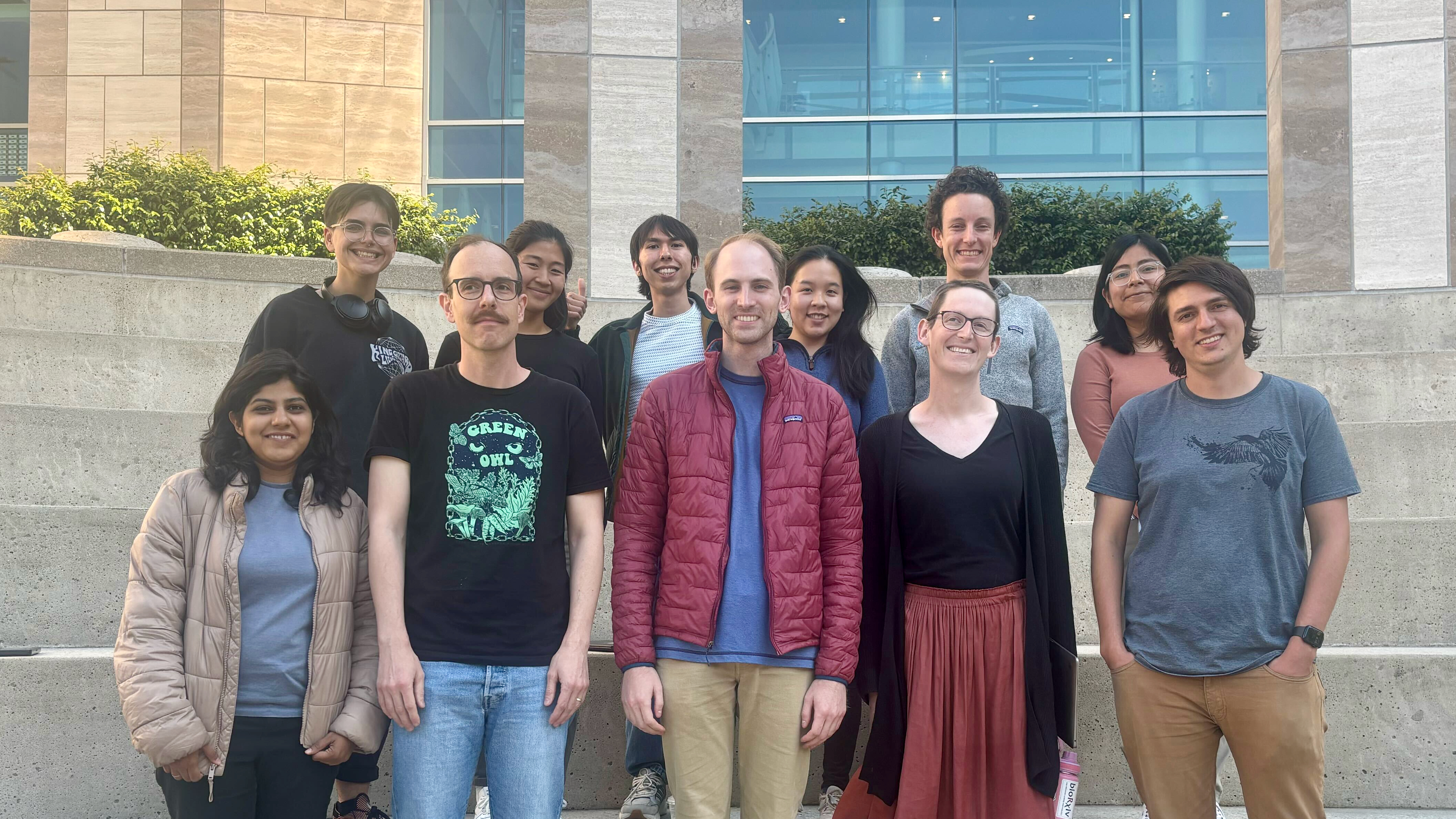
Our Team!
We strive to build a diverse team that welcomes all and works together to do the science of our dreams.See our lab philosophy.
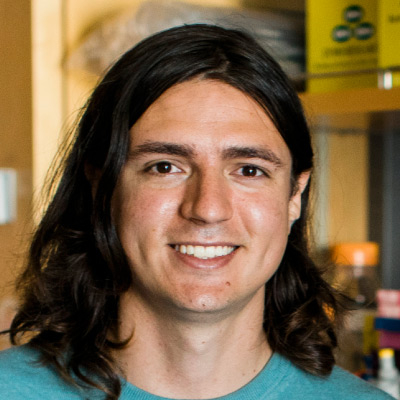
Willow Coyote-Maestas, Ph.D.
he/him/his
Principal Investigator
willow.coyote-maestas (at) ucsf.edu
 0000-0001-9614-5340
  Willow's Google Scholar
  @willowcoyote
  coywil26
 Willow graduated from the Evergreen State College with degrees in Chemistry and Environmental studies. As an undergraduate in Dr. Anitra Ingalls’s lab at the University of Washington, he studied how B vitamins mediate microbial interactions and diversity in the open ocean. For graduate school, Willow did his Ph.D. in Dr. Daniel Schmidt’s lab at the University of Minnesota, where he developed massively parallel sequencing-based methods to study and engineer membrane proteins proteins. Willow found mutational and insertional scanning methods can be useful for identifying regions of a protein involved in functionally meaningful conformational changes, developed mechanistic models for how to assemble protein domains to create useful multi-domain protein tools, and studied the evolution of ion channel regulation.
Near the end of his PhD, Willow moved to the SF Bay Area to be close to family for personal reasons and took up residence as a visitor in Dr. James Fraser’s lab at UCSF. Within mere weeks the Covid pandemic struck leading Willow to become stuck in the Bay Area and was convinced to stick around for a bit longer at UCSF as an HHMI Hanna Gray and QBI Fellow. In this role, Willow further developed mechanistic genetic screening approaches for studying how membrane proteins fold, traffic, function, and are regulated. This experience was a tremendous amount of fun and convinced both Willow and the UCSF community to make it an even longer term journey together when Willow was appointed as an Assistant Professor in Bioengineering and Therapeutic Sciences at UCSF in 2023. In 2026 Willow was promoted to Associate Professor with tenure.
Overall, Willow is inspired to develop a deep and comprehensive molecular, cellular, and physiological understanding for how membrane proteins allows us to interact with the world around us, how they break to cause the diseases that ail us, and how we can better treat these diseases with therapeutics. More broadly Willow wants to keep growing, learning, and having fun through the scientific endeavor!
Outside of lab Willow enjoys spending time with dear friends and family, creating and listening to music, enjoying and making delicious food, and meandering through nature.
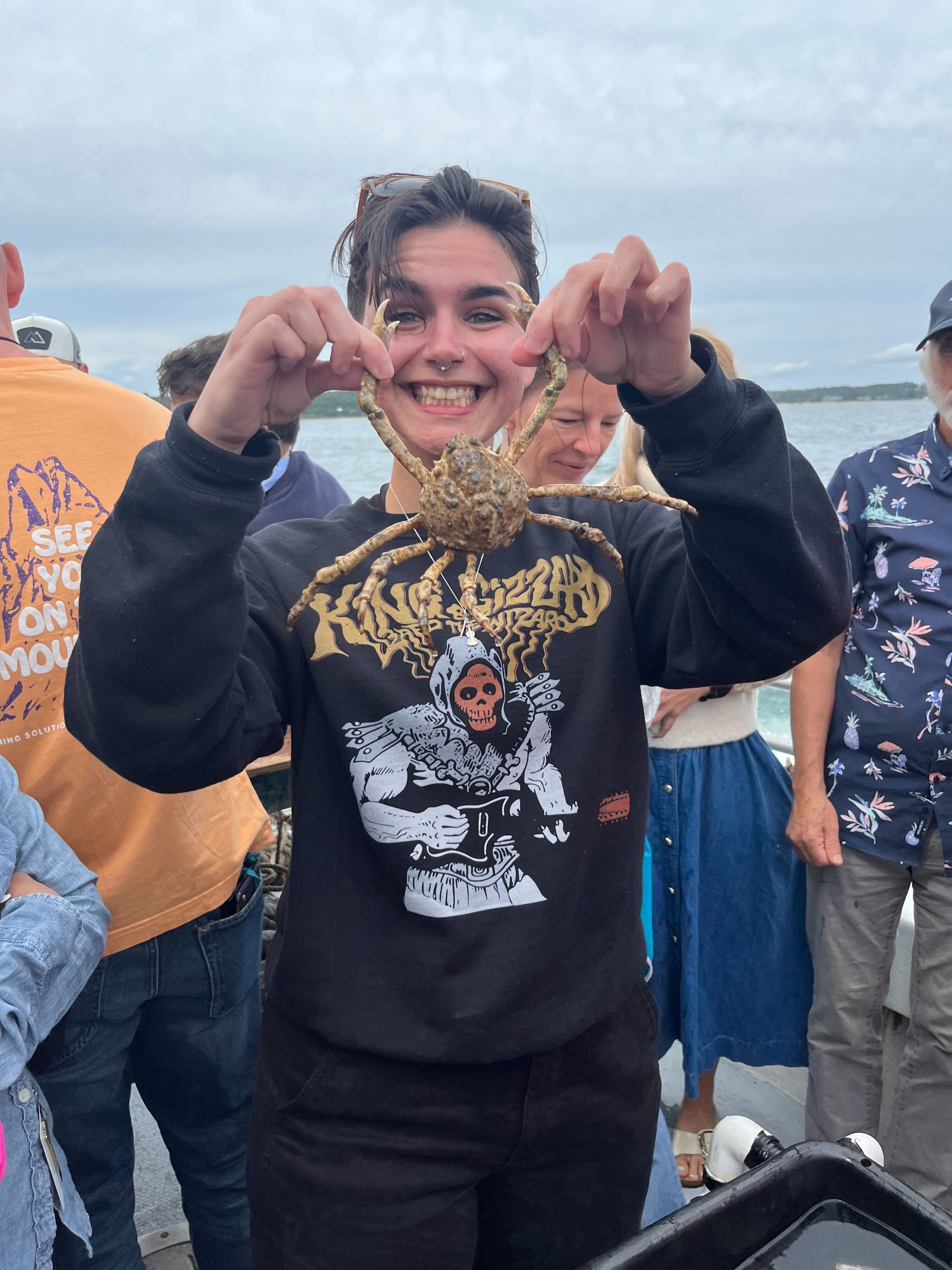
Ever O'Donnell
they/them/theirs
Graduate Student, Biophysics
Ever.ODonnell (at) ucsf.edu
 ever-o-donnell-500b0a211
 I’m co-advised by Willow Coyote-Maestas and Robert Stroud. I am combining high throughput mutational scanning with biochemical and biophysical assays to study the mechanistic effects of mutations on transporters. In undergrad, I did my undergrad thesis with Randy Stockbridge, where I did structural and functional characterization of small multidrug resistant transporters. I’m now interested in using chemotherapeutic resistance as a model for studying substrate specificity. I think transporters are really neat :)
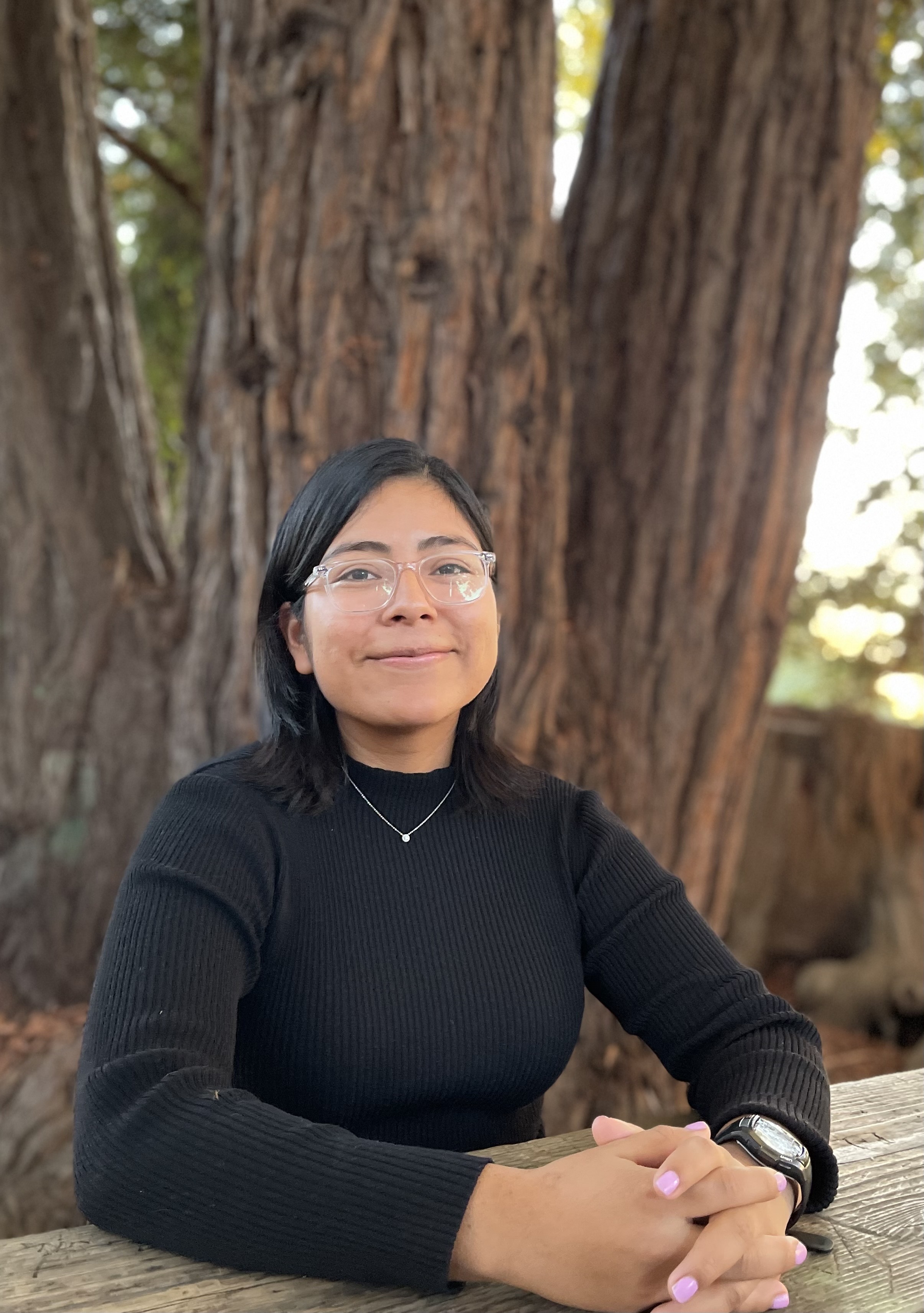
Rosa Sanchez
she/her/hers
Junior Specialist
Rosa.Sanchez (at) ucsf.edu
Rosa Sanchez received her bachelor’s degree in Molecular and Cell Biology at the University of California, Santa Cruz. As an undergraduate student, she worked in a Biochemistry and Chemistry Lab, under Michael Stone. Here, she learned about the telomeres and telomerase. One of her favorite parts was learning about shelterin proteins and purifying them!
Rosa really enjoys going on long walks, conversations over a cup of tea, and watching comedy. Her favorite foods are pozole and tacos.
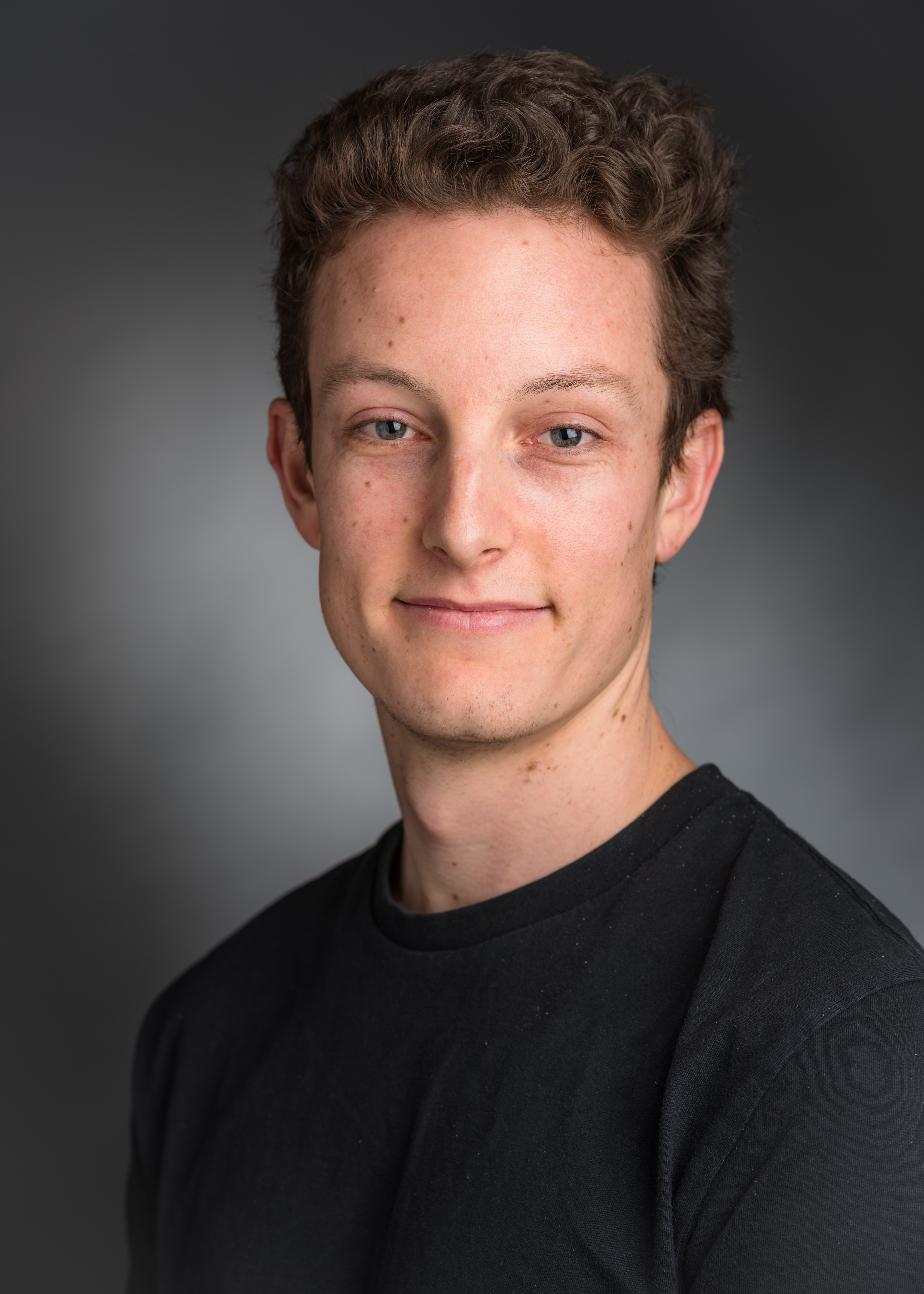
Noah F. Greenwald
he/him/his
Postdoctoral Fellow
noah.greenwald (at) ucsf.edu
https://ngreenwald.github.io/
0000-0002-7836-4379
noah-f-greenwald-33656287  Profile
Noah's Google Scholar
@NoahGreenwald
ngreenwald
Profile
Noah's Google Scholar
@NoahGreenwald
ngreenwald Noah received his Bachelor’s in Biophysics from Harvard University. He then worked at the Broad Institute, where he analyzed DNA sequencing data to identify the genomic drivers that separate low-grade and high-grade brain cancers. Following his work at the Broad, he received his Ph.D in Cancer Biology from Stanford University, where he was co-advised by Mike Angelo and Christina Curtis. While at Stanford, Noah developed machine learning tools to profile highly-multiplexed imaging data. He then used these tools to characterize the tumor microenvironment in breast cancer patient samples, combining this spatial information with paired DNA and RNA sequencing data to predict patient response to immunotherapy. In the Coyote-Maestas lab, Noah will be using deep mutational scanning to understand the cross talk between cancer and immune cells.
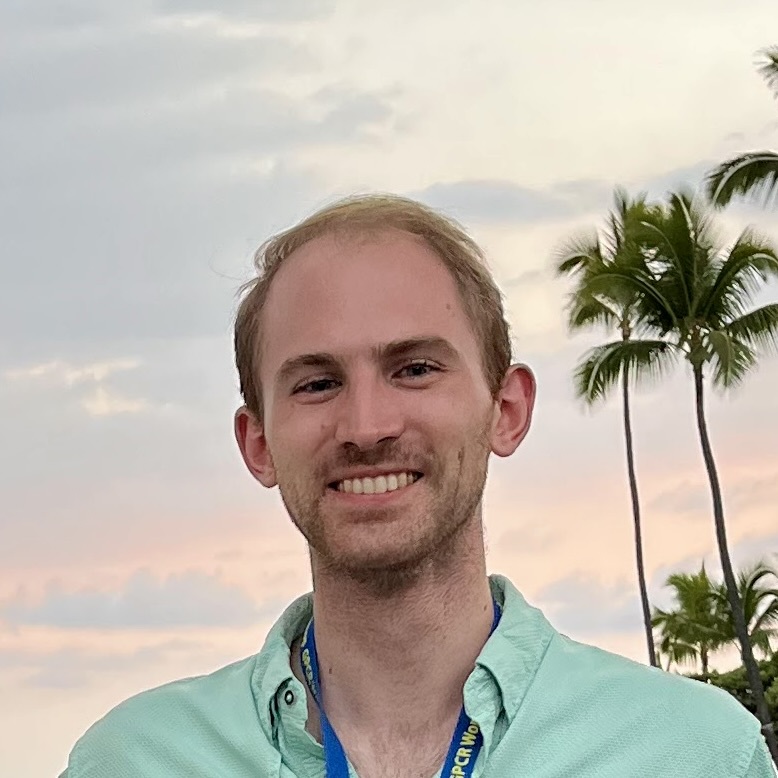
Matthew K. Howard
he/him/his
Graduate Student, Tetrad
matthew.howard (at) ucsf.edu
https://matthewkhoward.com
0000-0002-2128-2065
matthew-howard-5098a5197
Profile
Matthew's Google Scholar
@matthewkhoward  matthewkhoward.bsky.social
matthewkarlhoward
matthewkhoward.bsky.social
matthewkarlhoward Matt’s research focuses on developing and using mutational scanning platforms to study GPCR biology with the goal of generating holistic models for how receptors work at the protein level, and how perturbations propagate across cell biology and physiology. Prior to UCSF, Matt graduated from Washington University in St. Louis with degrees in chemistry and biology. At WashU, Matt worked in the Jackrel Lab studying structure- function relationships in the disaggregase Hsp104 and strategies for disrupting biofilm- associated amyloids.
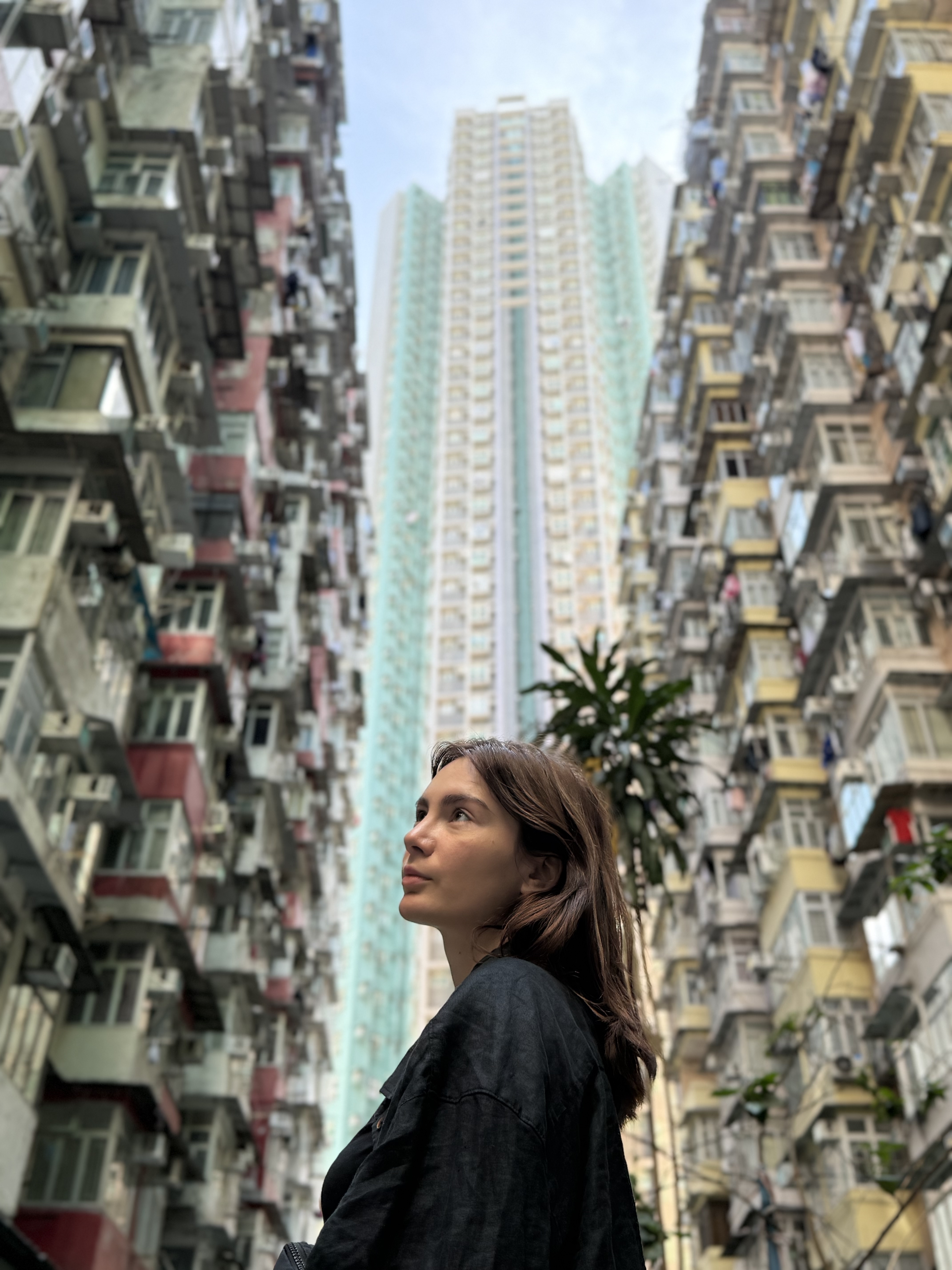
Ira earned her bachelor’s and master’s degrees in Biotechnology from the University of Wrocław. She later joined Dr. Chuan He’s lab at the University of Chicago for her master’s thesis research, where she developed new methods for sequencing DNA and RNA modifications. She is now co-mentored by Dr. Adam Abate and is developing a microfluidics platform to study receptor–ligand binding.
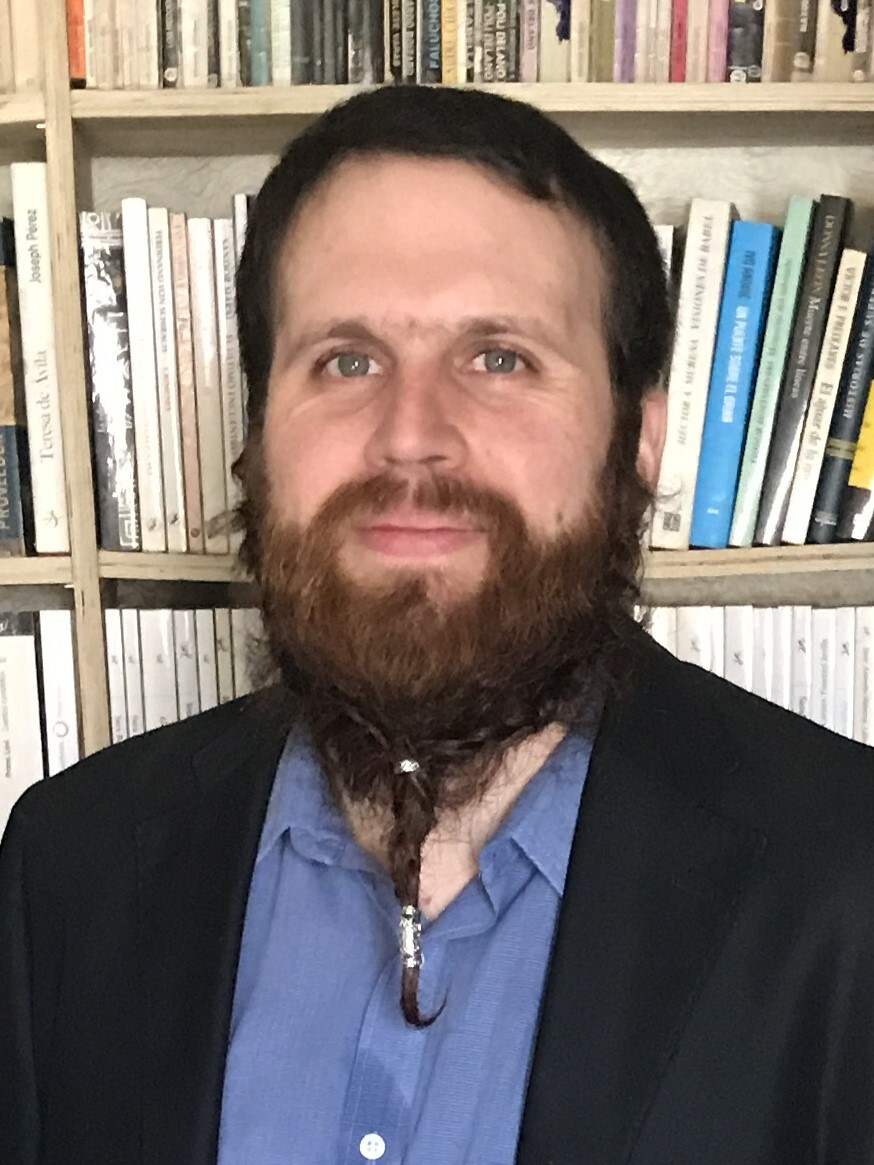
Bernardo Pinto-Anwandter
he/him/his
Staff Scientist
bernardo.pintoanwandter (at) ucsf.edu
0000-0003-0200-1069
matthew-howard-5098a5197
Profile
Bernardo's Google Scholar
PintoBI Bernardo is a biophysicist specialized in combining experimental, computational and statistical approaches to understand the structure, function, and regulation of ion channels. His work combines electrophysiology, quantitative biophysical modeling and machine learning to investigate the molecular mechanisms underlying ion channel gating and thermodynamics. During his Ph.D. in the laboratory of Dr. Ramon Latorre at the Universidad de Valparaiso, he elucidated the mechanisms of voltage- and calcium-dependent gating in connexin hemichannels. As a PEW Latin American Fellow in the laboratory of Dr. Francisco Bezanilla at the University of Chicago, he developed a novel optical temperature step method to characterize the thermodynamics of voltage-gated potassium channels, leading to discoveries of mutations that alter channel temperature sensitivity. More recently, his research has focused using protein structure prediction and electrophysiology to uncover the gating mechanism of Kv channels leading to the elucidation of the inhibition mechanism of 4-aminopyridine, a drug used to improve nerve conduction in patients with multiple sclerosis. He joined the Coyote-Maestas Lab to develop and apply large-scale experimental approaches for studying ion channel function.
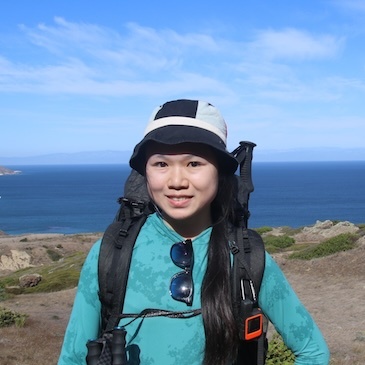
Jingyou Rao
she/her/hers
Postdoctoral Scholar
roseraosh (at) gmail.com
https://roserao.github.io/
0000-0002-4331-8786
Jingyou's Google Scholar
@JingyouR
roserao Jingyou is a proud Double Bruin, having earned both her undergraduate degrees in Computer Science and Computational Biology, as well as her Ph.D. in Computer Science from UCLA. In the final year of her Ph.D., she had the pleasure of collaborating with the lab, occasionally trading the keyboard for pipettes waiting for computation tasks to complete. She’s excited to officially join the lab as a postdoc, where she will focus on high-order mutational scanning screens - both generating the data and developing models and theories for it.
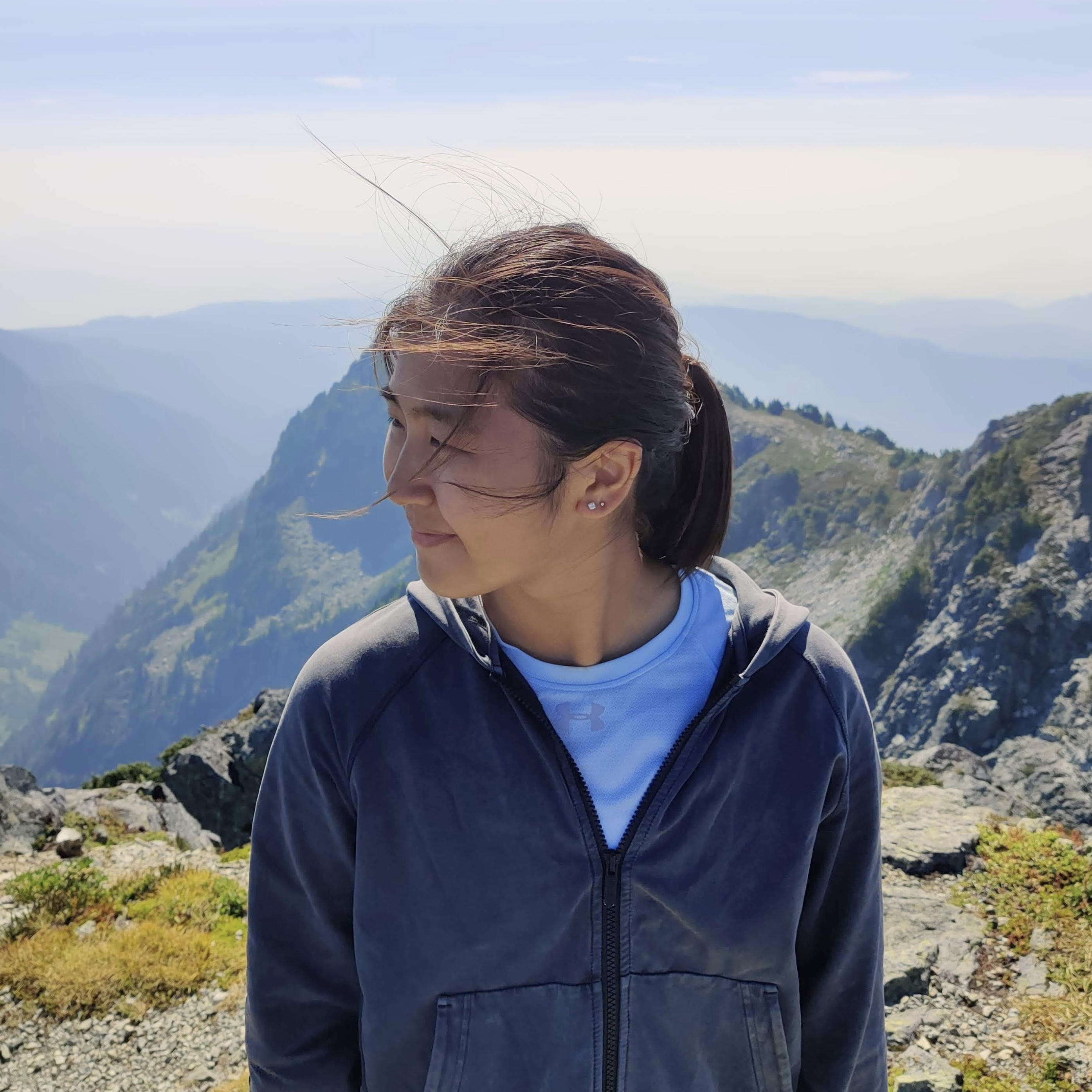
Catherine H. Shin
she/her/hers
Graduate Student, CCB
catherine.shin (at) ucsf.edu
0000-0001-7937-1338
Profile
Catherine's Google Scholar Catherine attended Simon Fraser University for her undergraduate studies and investigated redox reactions in the blue copper protein azurin. For her PhD, she is co-mentored by Dr. Brian Shoichet and studies the mechanism of ligand-dependent GPCR activation to develop better therapeutics. When she is not thinking about science, Catherine enjoys taking photos, listening to podcasts, and visiting the different store cats throughout the city.
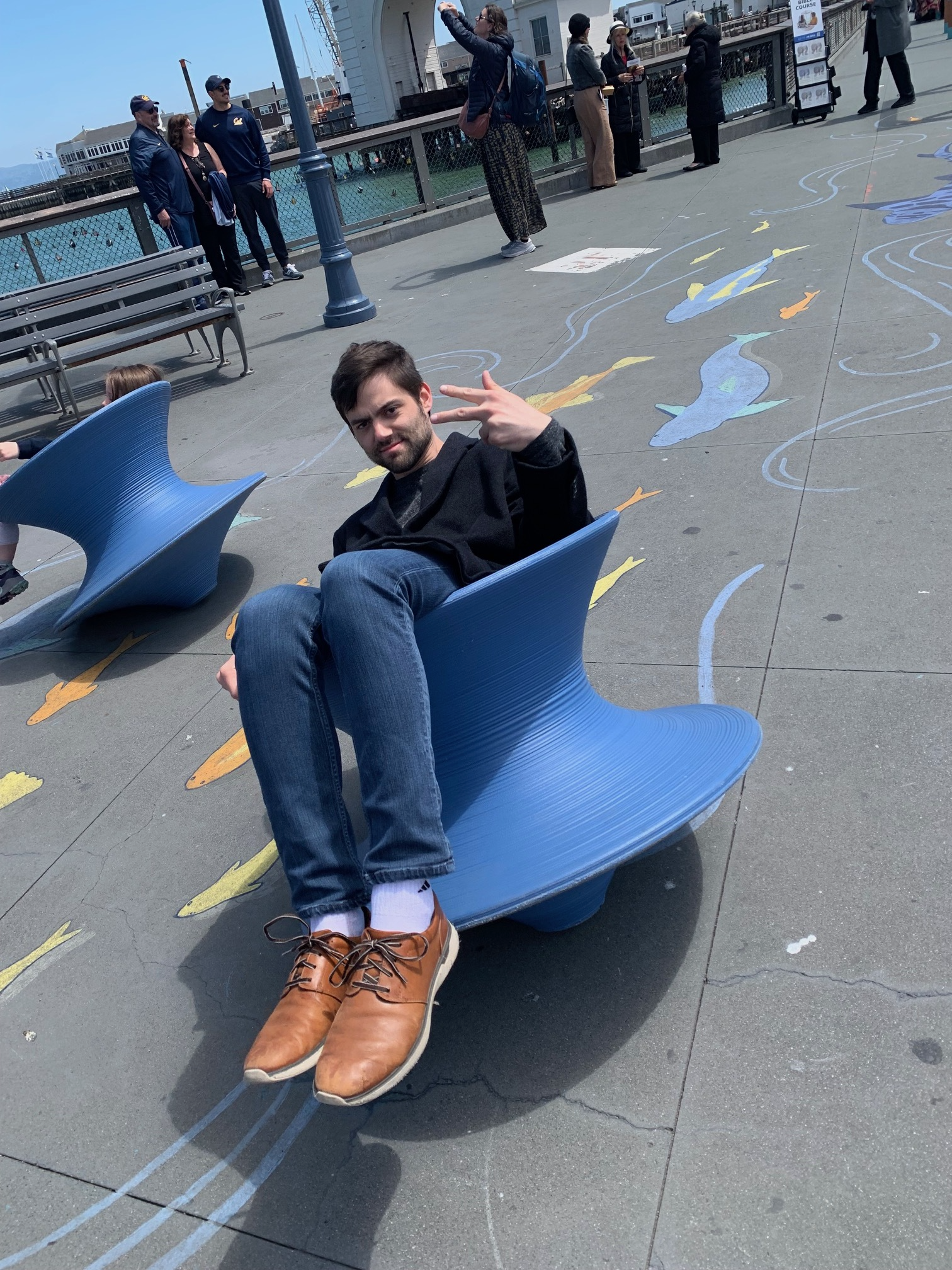
Austin Tedman
he/him/his
Postdoctoral Fellow
austin.tedman (at) ucsf.edu
0000-0002-0966-7210
austin-tedman-7619591b0
Profile
Austin's Google Scholar Austin obtained his Bachelor’s Degree in Biochemistry from UCLA, where as an undergrad he investigated the effects of dietary lipids on lipid metabolism and tumor progression in mice. He then worked as a forensic chemist during his gap year before starting his PhD studies at Indiana University under the mentorship of [Jonathan Schlebach] (https://www.chem.purdue.edu/schlebach/index.html). He moved with Jon to Purdue University, completing his PhD in Chemistry investigating the biochemical basis for the quality control and rescue of membrane proteins, primarily using high throughput mutational scanning methods. In the Coyote-Maestas lab, Austin will continue to employ deep mutational scanning adjacent methods to investigate the regulation of trafficking and function of G-Protein Coupled Receptors.
Affiliates
Coyote-Maestas Lab Alumni
Priyanka Bajaj, Ph.D.
Postdoctoral Scholar
she/her/hers
2022 - 2026
Subsequently: CEO/Founder, Stealth Biotech
0000-0001-8474-6149
priyanka-bajaj-a81a40104
Priyanka’s Citations
@Priyank67495046
Shirlyne Ong
Junior Specialist
she/her/hers
2023 - 2025
Subsequently: Medical School
Zara Y. Weinberg
Staff Scientist
she/her/hers
2025
Subsequently: Deceased | Always in our hearts and minds as the most bad ass science witch
0000-0001-7176-038X
Zara’s Citations
@weinberz
weinberz
Christian Macdonald, Ph.D.
Postdoctoral Scholar
he/him/his
2021 - 2025
Subsequently: Scientist and Lab Operations Coordinator, Wayment-Steele Lab, UW Madison
0000-0002-0201-8832
Christian’s Citations
@protostasis
odcambc
Donovan Trinidad
Graduate Student, BMS (F31 NRSA)
he/him/his
2021 - 2024
Subsequently: Postdoctoral scholar @ Silas lab, Gladstone Institutes
0000-0002-1439-9927
donovan-trinidad-b97a3511b
Donovan’s Citations
Nicholas Campbell
Summer Student
he/him/his
2023 - 2025
Subsequently: Undergraduate student @ Stanford University
Patrick Rockefeller Grimes
Junior Specialist
he/him/his
2022 - 2023
Subsequently: PhD student @ UCSF in Biophysics
0000-0002-5946-2926
patrick-rockefeller-grimes-851a14144
Jenna Pellegrino, Ph.D.
Graduate Student, Biophysics (NSF GRFP)
she/her/hers
2021 - 2022
Subsequently: Scientist @ ArrePath
0000-0002-6212-395X
jenna-pellegrino-562ab2190
jepellegrino
Undergraduate Interns
John Collinge - SRTP Student
he/him/his
2025
Subsequently: Undergraduate student @ Fort Lewis College
Jocelyn Chavez Rios - SRTP Student
she/her/hers
2024
Subsequently: Undergraduate student @ University of Nevada, Las Vegas
Henry Gatica-Gutierrez - SRTP Student
he/him/his
2022
Subsequently: PhD student @ Rice University in Systems, Synthetic, and Physical Biology